

Spring is the perfect time for adventure, and for many dog owners, that means road trips, hikes, and outdoor excursions with their furry friends. However, traveling with a dog requires preparation to ensure their safety, comfort, and good behavior. Here is how to prepare your dog for a smooth and enjoyable spring getaway. If you would like some ideas for a good spring trip, check out the comments from this forum on Trip Advisor!
1. Crate Training for Car Rides
A well-trained dog should be comfortable in a crate or car harness to ensure safety during spring travel. If your dog is not already crate-trained, introduce the crate at home first. Place treats and toys inside to create a positive association. Gradually increase your dog’s time in the crate before attempting short car rides. Reward calm behavior with praise and treats.
If you are using a car harness, allow your dog to wear it indoors before attaching it to a seatbelt. This helps them get used to the feeling before being restrained in the car.
2. Desensitizing to Car Rides
Some dogs experience anxiety or motion sickness in the car. To help your dog get used to traveling, start with short drives to enjoyable destinations like a park or a friend’s house. Gradually increase the length of the trips while providing positive reinforcement such as treats. Bringing their favorite blanket or toy can also create a sense of familiarity and comfort.
3. Teaching Basic Travel Manners
To prevent restlessness during long journeys, reinforce obedience commands such as:
- “Sit” and “Stay” – Helps keep your dog calm while inside the car or at rest stops.
- “Quiet” – Useful for reducing excessive barking at unfamiliar sights and sounds.
- “Leave it” – Prevents them from picking up harmful objects during breaks.
Regular practice in different environments will help your dog respond reliably, even in new and exciting locations. Ridgeside K9 Central Maryland’s training services can also help by ensuring your dog receives professional training to make trips easier.
4. Leash Training for New Environments During Spring Season
Once you reach your destination, your dog should be well-behaved on a leash. Many outdoor areas, including parks and trails, require dogs to remain leashed. If your dog tends to pull, work on leash manners before your trip. Use treats to reward a loose leash, and practice changing directions frequently to encourage focus.
For off-leash adventures, reinforce recall training with high-value rewards. Always test recall in a secure environment before allowing off-leash exploration in unfamiliar areas.
5. Acclimating to Outdoor Gear
If your trip involves hiking or camping, your dog may need to wear a harness, boots, or a backpack. Introduce these items gradually before the trip. Allow your dog to wear them at home for short periods, rewarding them with treats and praise. Proper acclimation ensures they feel comfortable and confident in their gear when it is time to go.
6. Practicing Rest Stop Routines
Frequent breaks are necessary during long drives. Train your dog to go to the bathroom on command by associating a phrase like “go potty” with bathroom breaks. This can be especially helpful at rest stops with limited green spaces. Additionally, ensure your dog is comfortable drinking water from a travel bowl.
7. Socializing for New Experiences
Travel exposes your dog to new people, animals, and environments. Socialization helps prevent anxiety and overexcitement. Visit different locations before your trip to help your dog adapt to varied sounds, smells, and sights. Reward calm behavior in new settings to reinforce confidence.
8. Emergency Recall Training
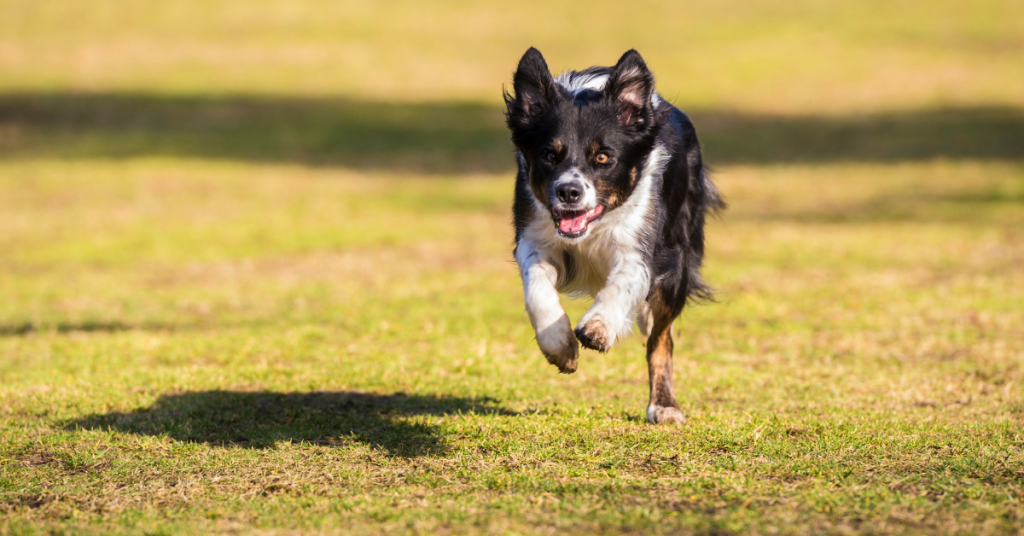
Even the most well-behaved dogs can get distracted while exploring. Teaching a strong emergency recall command, such as using a whistle or a special word, can help you quickly regain their attention. Practice in a controlled environment, gradually increasing distractions. Our training programs can also help you with this key skill.
9. Packing Essentials for Your Dog
A well-prepared trip includes packing the right supplies. Essential items include:
- Travel crate or car harness
- Leash and collar with ID tags
- Portable water bowl and fresh water
- Enough food for the entire trip
- Favorite toys and blankets
- First aid kit (including tweezers for ticks)
- Waste bags for clean-up
10. Testing an Overnight Stay
If your trip includes staying in hotels, Airbnbs, or campgrounds, practice an overnight stay away from home beforehand. Whether at a friend’s house or a pet-friendly hotel, this trial run can help your dog adjust to sleeping in a new environment.
Conclusion
With proper training and preparation, your dog can be a wonderful travel companion this spring. By focusing on crate training, leash manners, socialization, and essential commands, you will ensure a fun, stress-free journey for both you and your dog. For more expert dog training tips and personalized programs, visit our website. Safe travels and happy adventures!


